 01
01Job costing: finding out which work actually makes money
Revenue tells you which jobs were big. Job costing tells you which ones were worth doing, and they are rarely the same list.
The wider picture around billing: what UK trades actually earn, how rates vary by region, where a fully booked service business quietly loses margin, and the point at which spreadsheet admin starts costing more than it saves.
6 guides in this category
These pieces lean on published data and operational detail rather than general advice.
01Revenue tells you which jobs were big. Job costing tells you which ones were worth doing, and they are rarely the same list.
 02
02A single outstanding total tells you almost nothing. Split the same figure by age and it starts predicting which money is arriving and which is already in trouble.
 03
03Where you work changes what you earn. An interactive heatmap comparing ONS employee hourly rates and Hudson self-employed earnings for 13 trades across every UK region.
 04
04Real earnings data across 14 UK trades — comparing employed salaries, self-employed turnover, and day rates. The gap between what a trade invoices and what it earns is larger than most people think.
 05
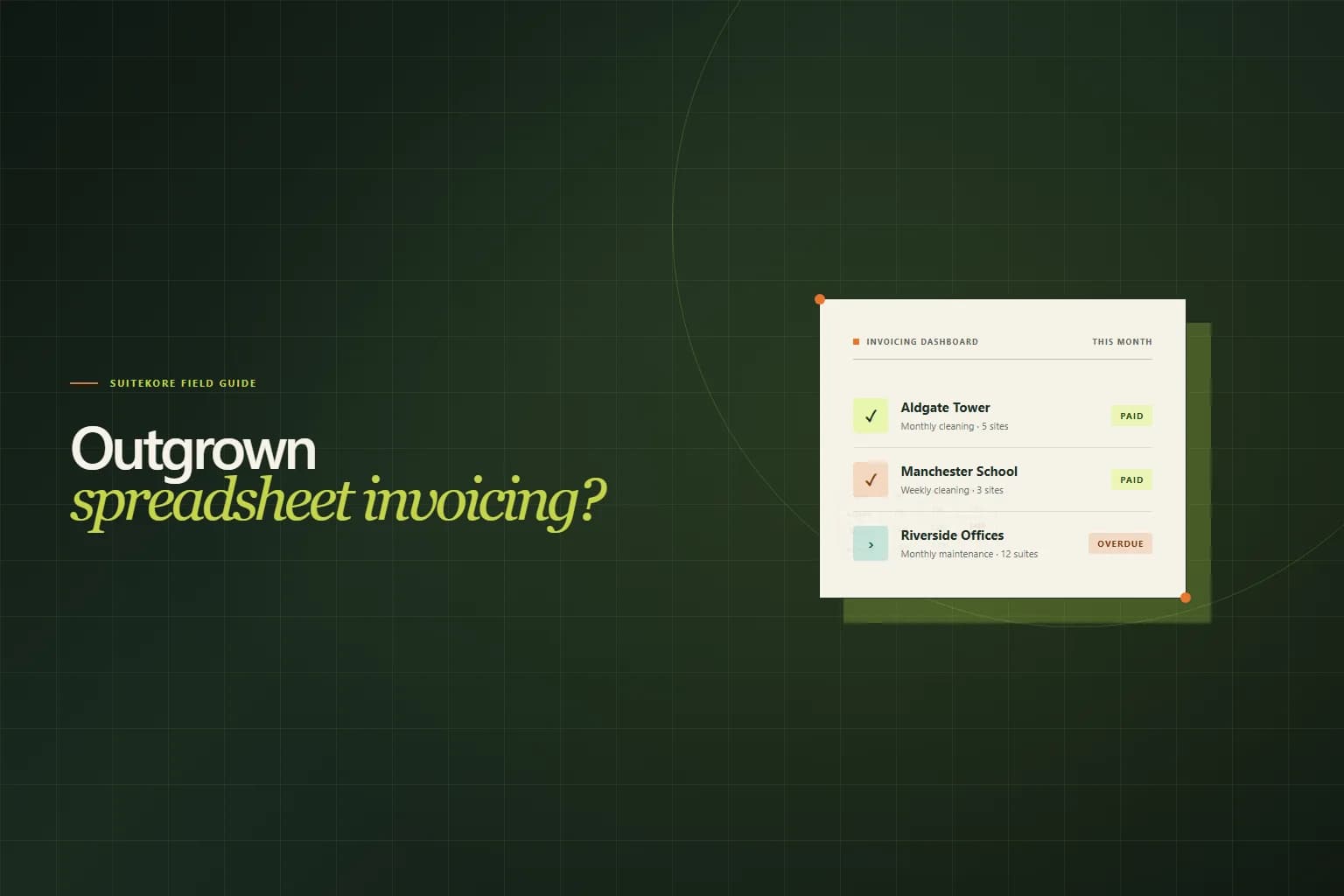
05Spreadsheets are free until they are not. Seven signs your billing routine is costing more time, accuracy, and cash flow than a purpose-built invoicing platform ever would.
 06
06A full diary proves there is demand, not profit. Find the five places service businesses quietly lose margin, cash, and time after the work is won.