 13
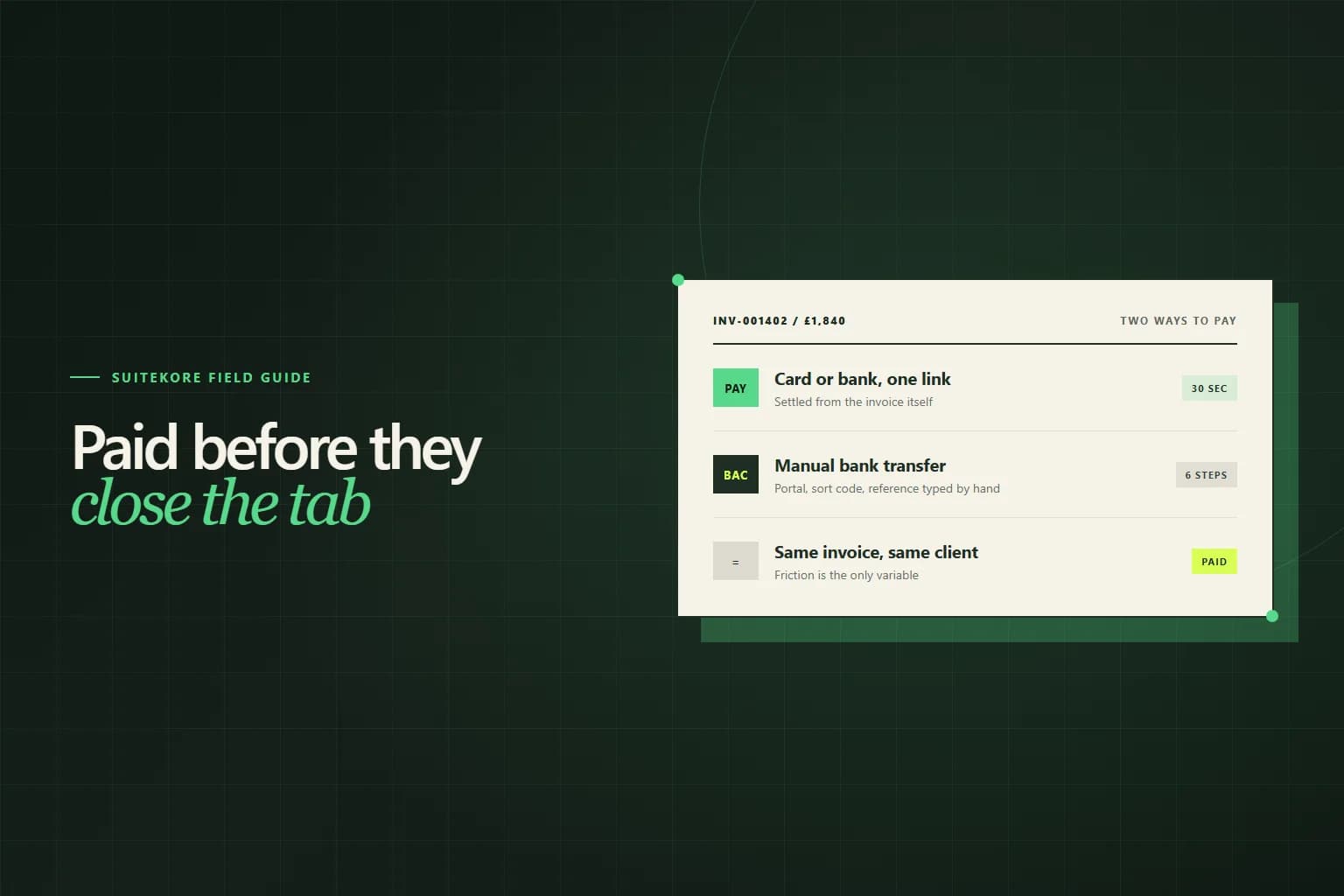
13Taking online payments: what a pay link does to your collection times
Most late payment is friction, not refusal. A client who can pay from the invoice in thirty seconds behaves differently from one who has to log into a banking portal.
Practical guidance on what belongs on a UK invoice, the payment terms clients actually respond to, chasing late payment, and billing repeat work without rebuilding the same invoices every month.
47 guides across five topics.
Showing 13–24 of 47 guides
13Most late payment is friction, not refusal. A client who can pay from the invoice in thirty seconds behaves differently from one who has to log into a banking portal.
 14
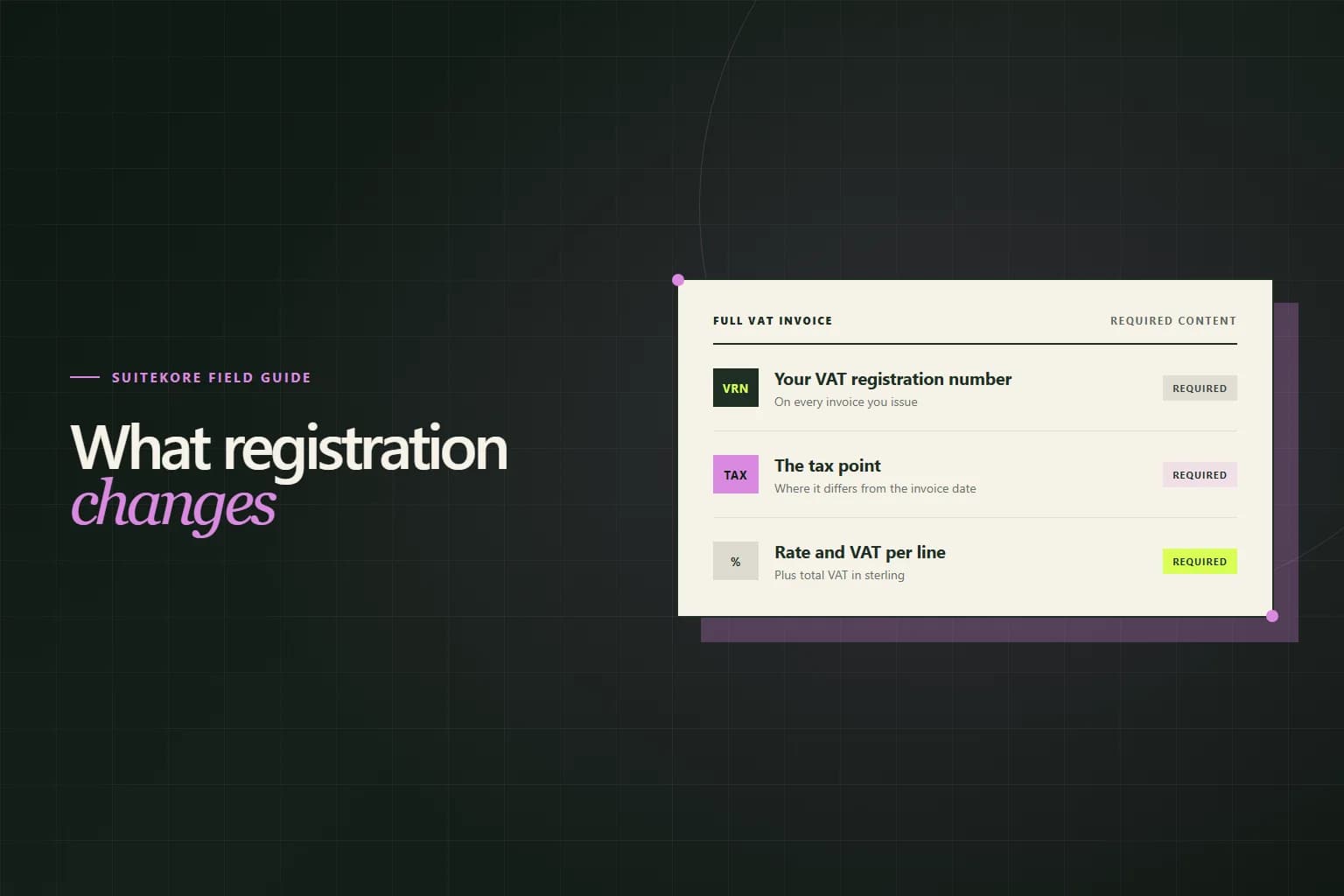
14Registration changes the document, not just the total. What a full VAT invoice has to carry, and the three details businesses most often get wrong.
 15
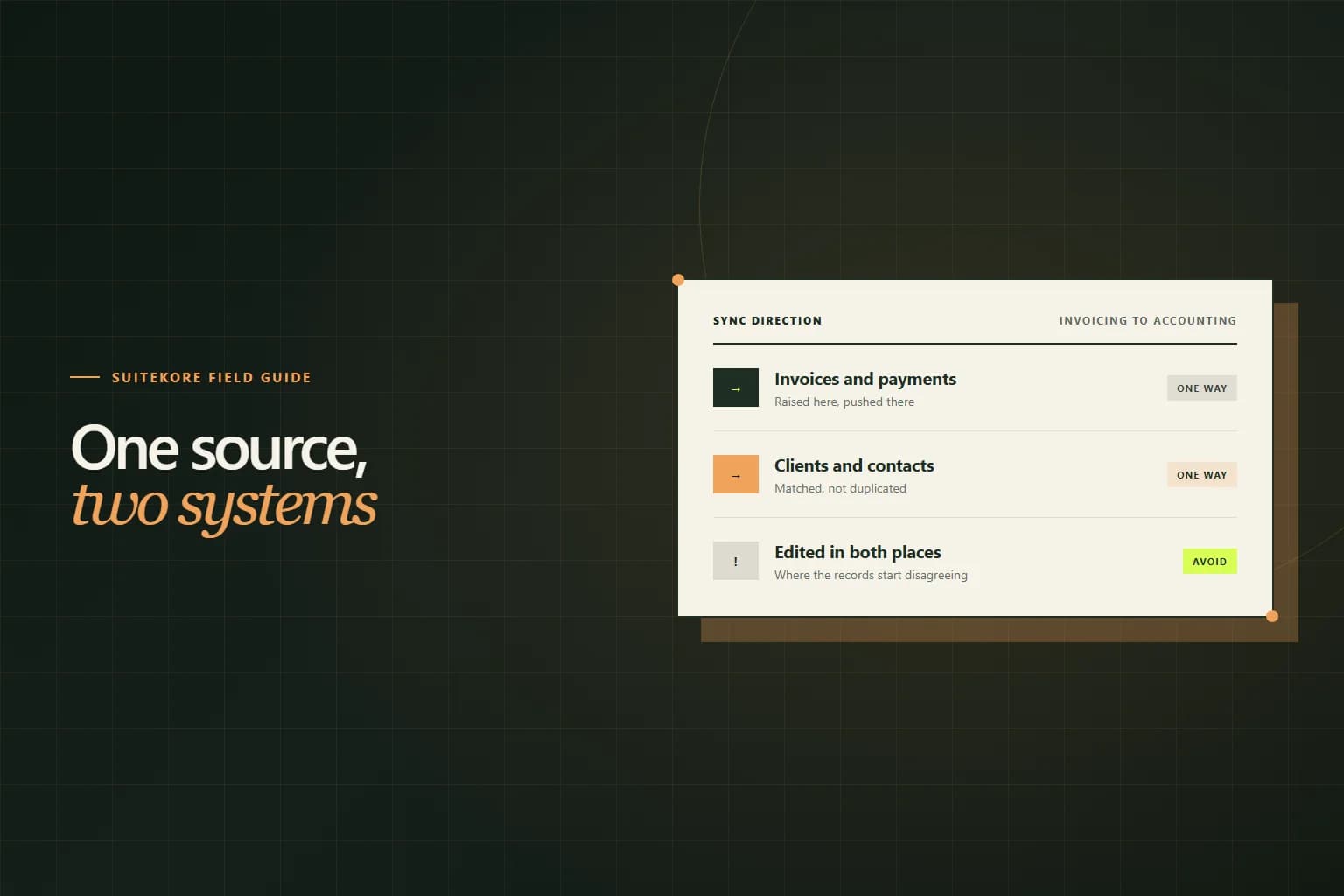
15Two systems holding the same invoices will disagree eventually. What should flow between them, in which direction, and what you still have to check yourself.
 16
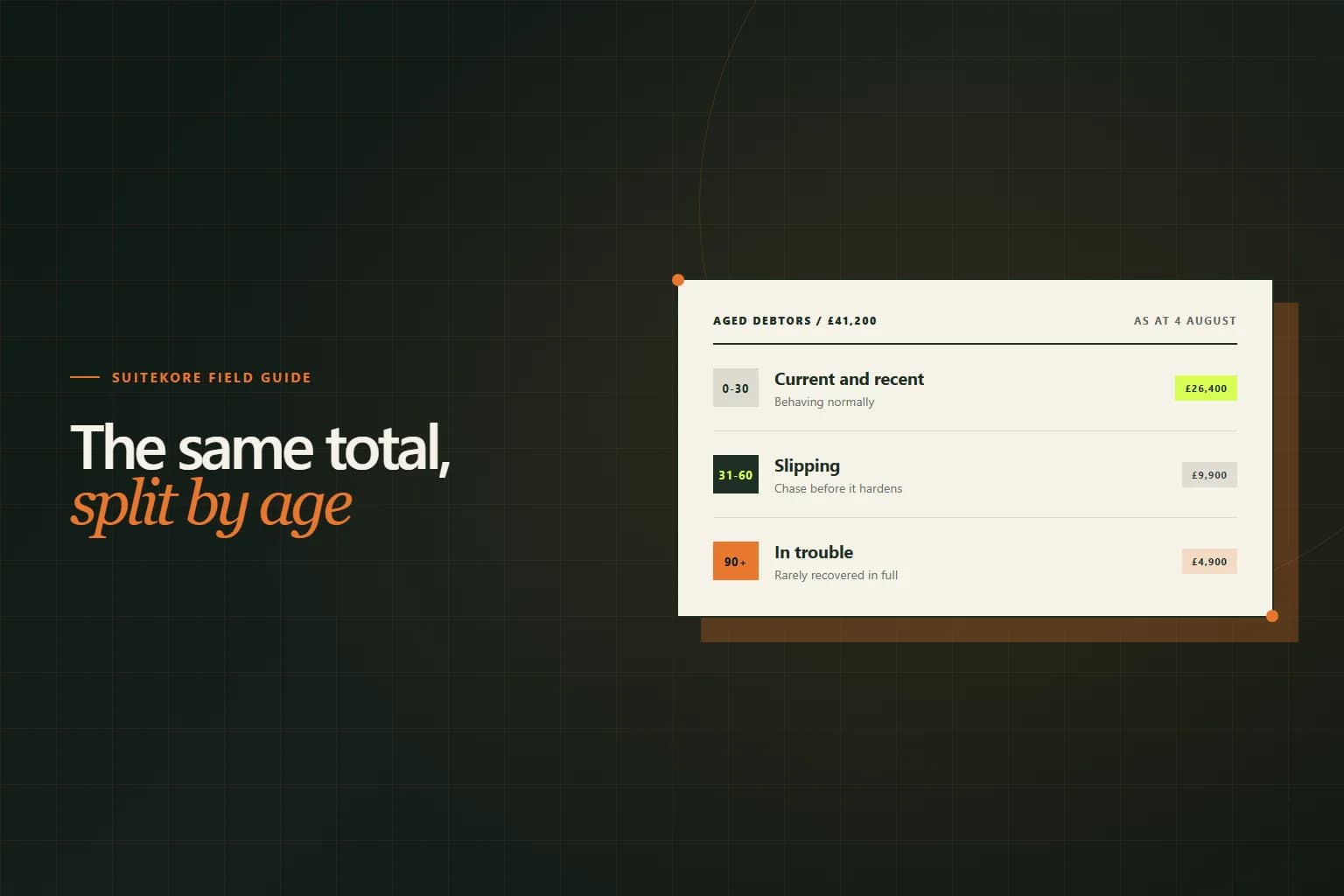
16A single outstanding total tells you almost nothing. Split the same figure by age and it starts predicting which money is arriving and which is already in trouble.
 17
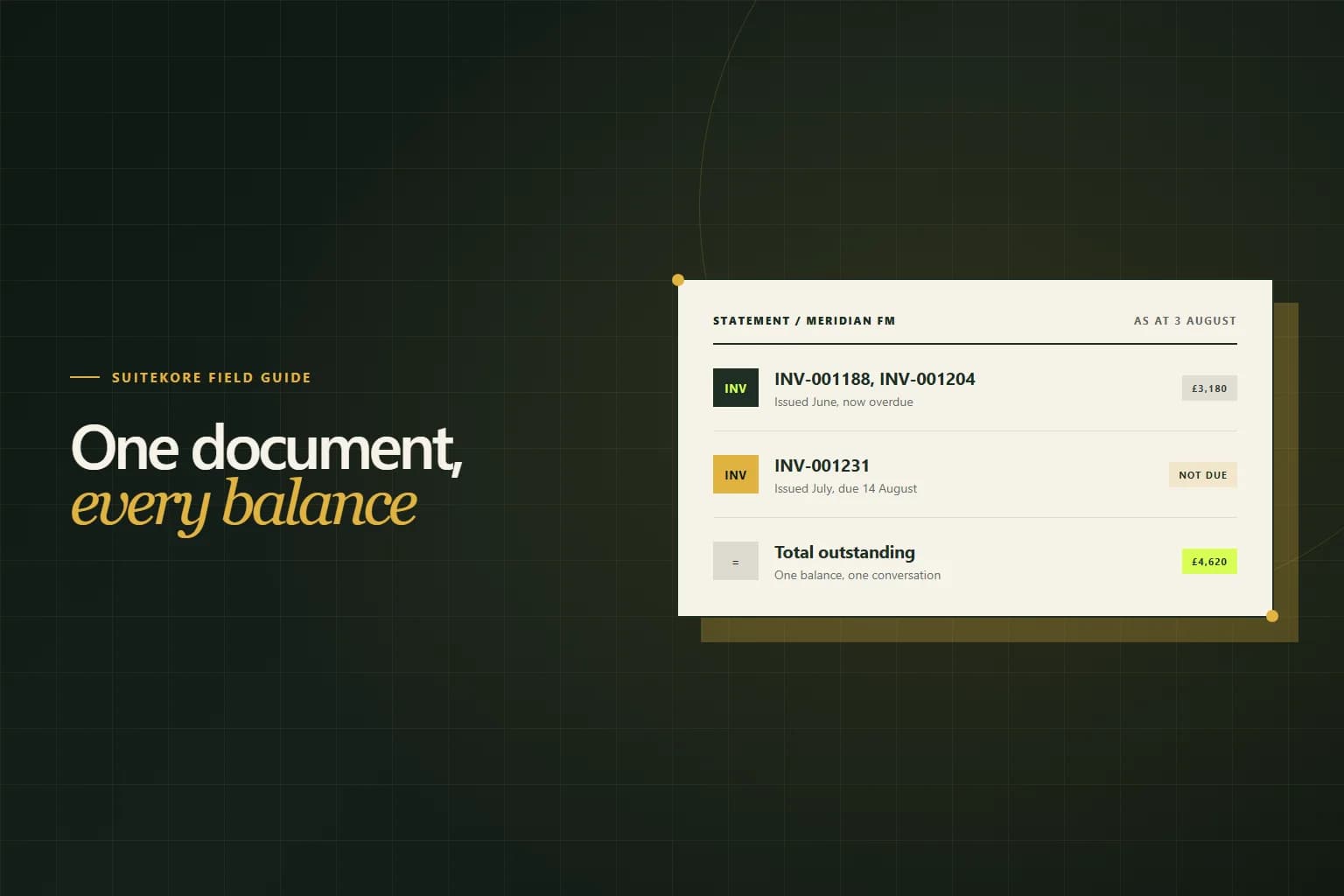
17When a client owes you for four invoices, sending a fifth reminder about one of them is the wrong move. A statement puts the whole balance in front of them.
 18
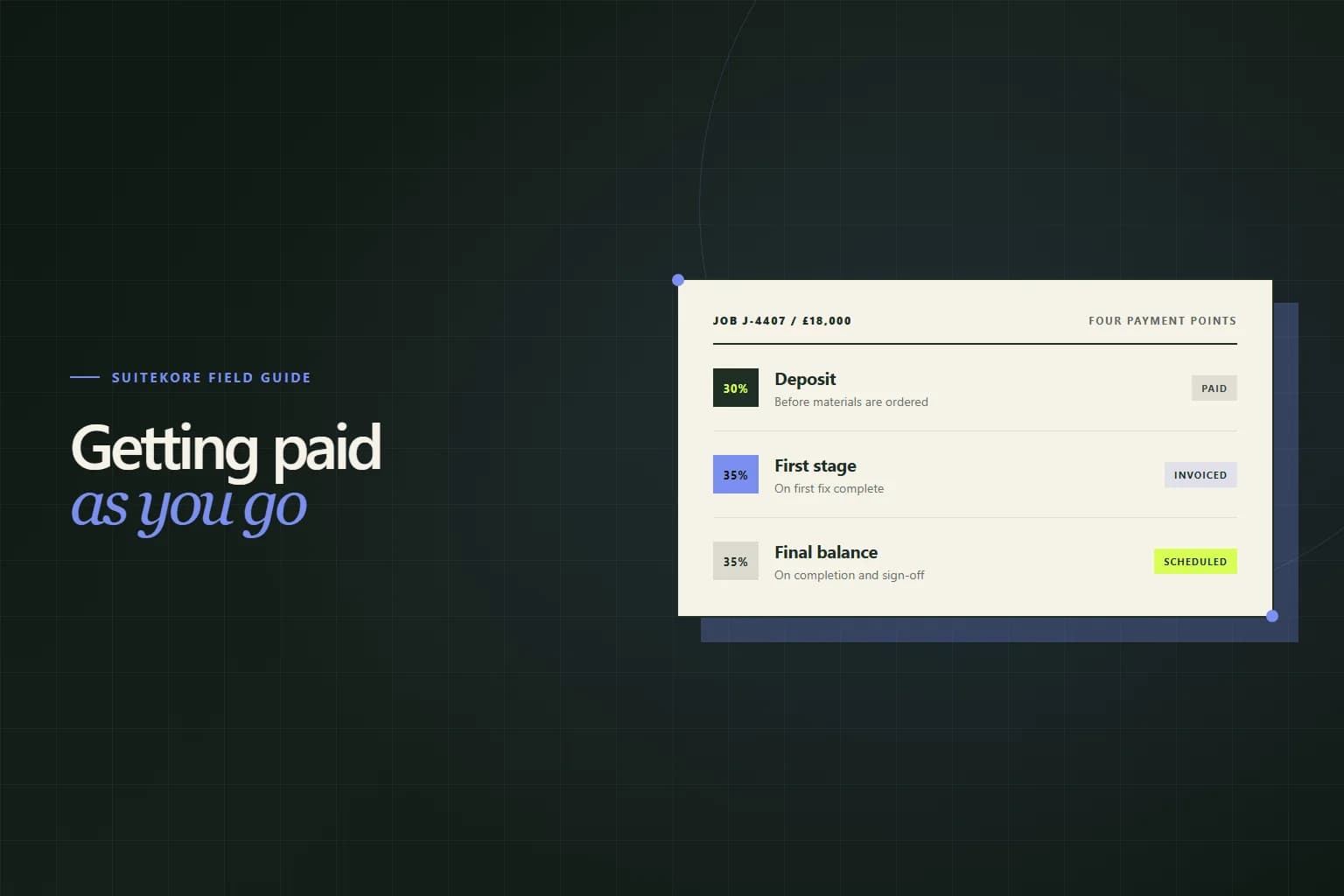
18On a long job, waiting until completion means funding your client for months. Deposits and stage payments move the risk back where it belongs.
 19
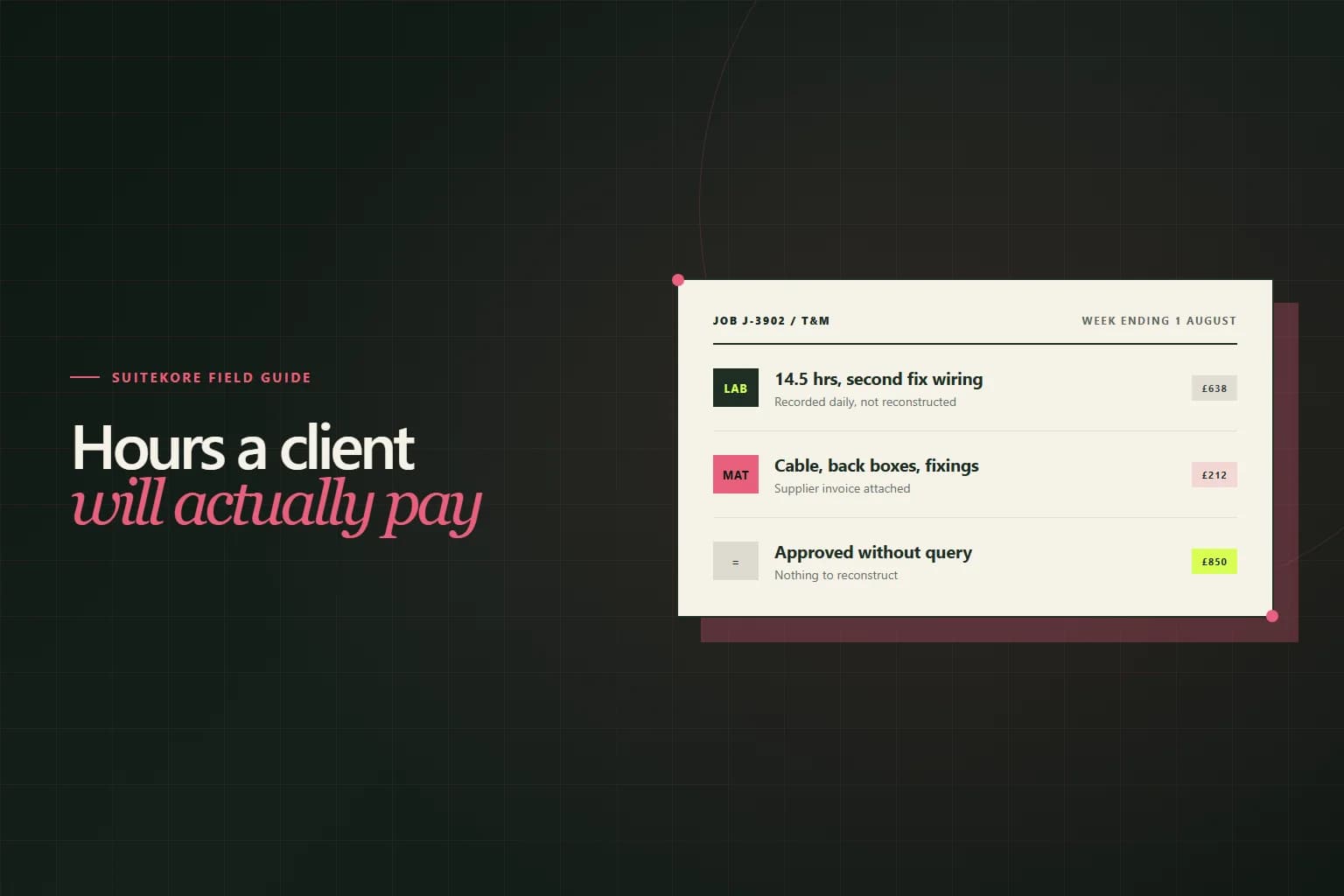
19Time and materials billing fails at the description, not the arithmetic. What a client needs to see before they will approve hours they did not personally watch.
 20
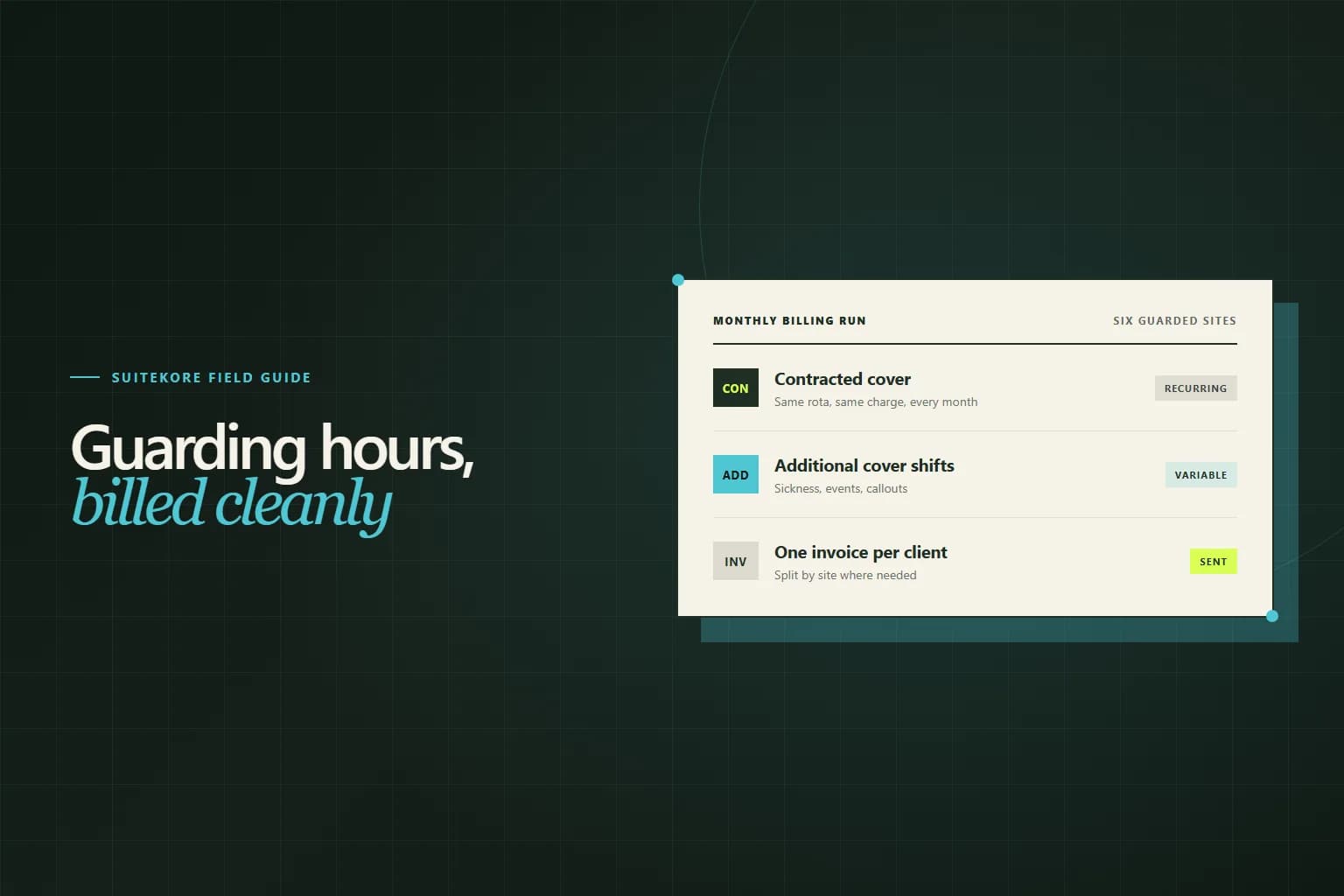
20Guarding contracts bill the same sites every month and still change every week. A billing routine that separates the contracted hours from the cover shifts.
 21
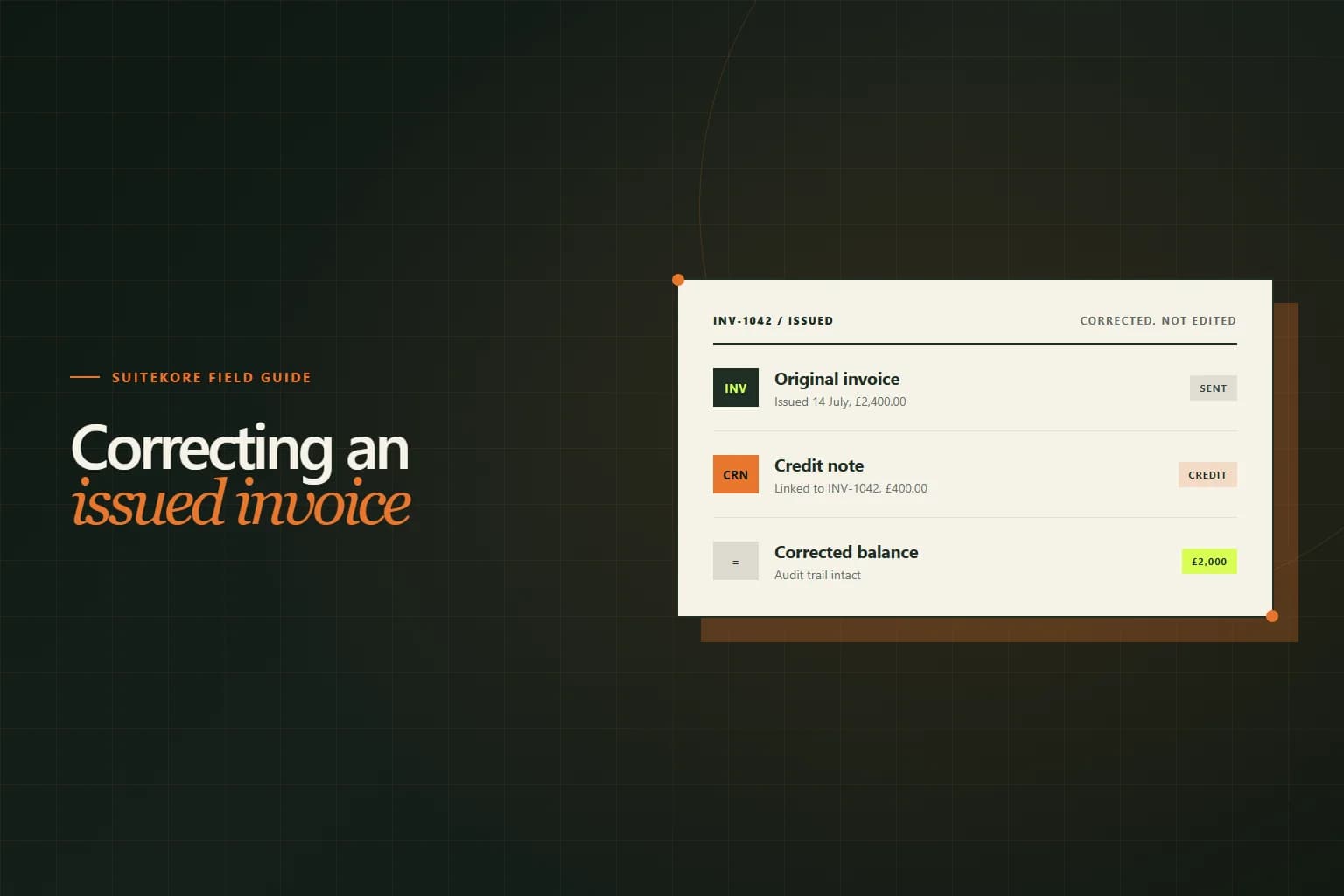
21An issued invoice is a record, not a draft. A credit note is how you correct one without breaking the audit trail behind it.
 22
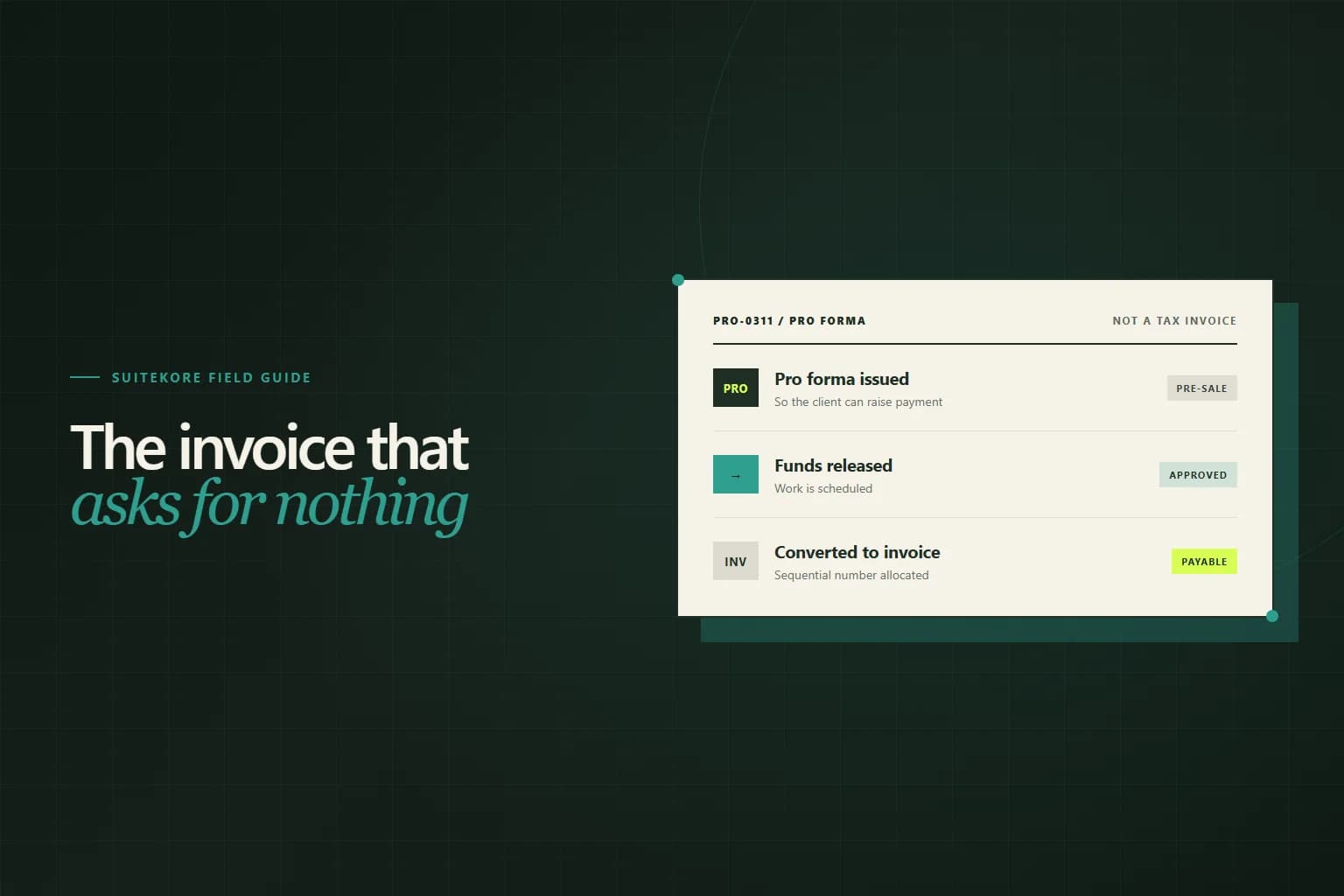
22A document that looks exactly like an invoice, asks for nothing, and exists purely to let a client raise payment before the work is done.
 23
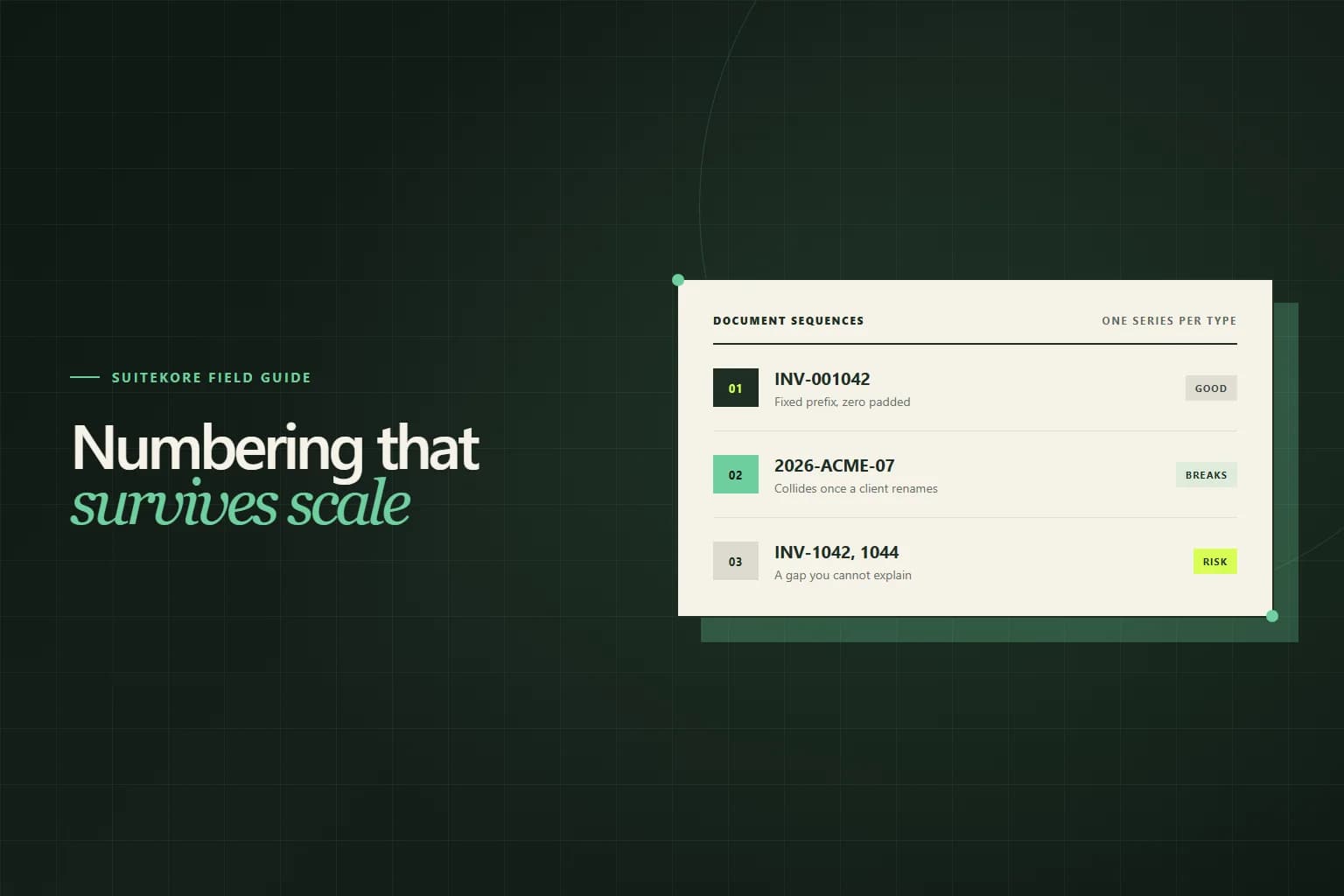
23Most numbering schemes look tidy for a year and then collide. What separates the ones that survive from the ones you have to migrate away from.
 24
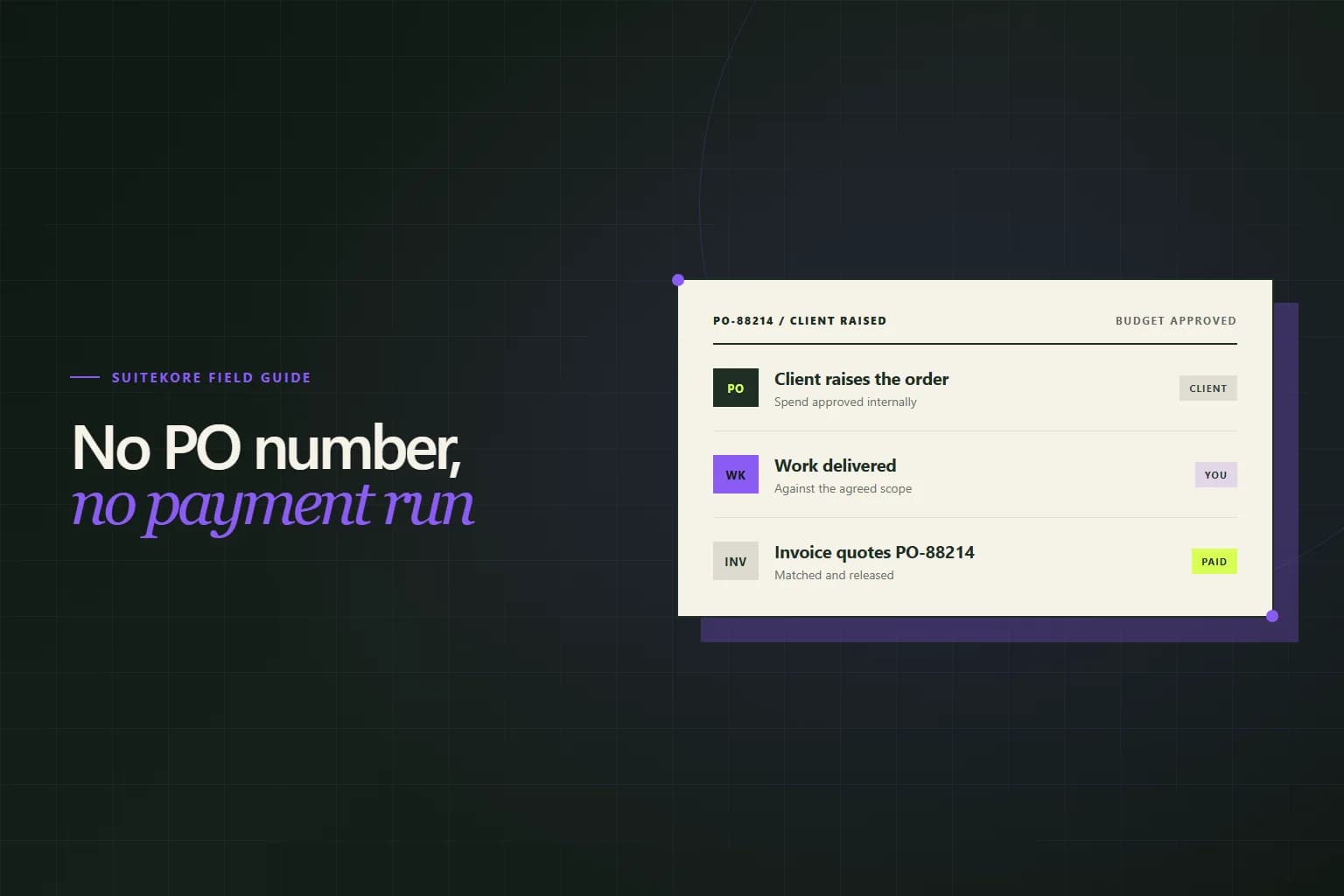
24A purchase order is the client giving themselves permission to spend. Without its number on your invoice, their own system will not let them pay you.